Smart devices have become an integral part of modern living. From smartphones and smart speakers to wearable fitness trackers and connected home appliances, technology is changing how people interact with the world around them. These devices are designed to simplify daily tasks, improve convenience, increase efficiency, and enhance overall quality of life.
The rise of the Internet of Things (IoT) has enabled smart devices to communicate with each other, creating connected ecosystems that make homes, workplaces, and cities more intelligent. As technology continues to evolve, smart devices are becoming increasingly powerful and accessible, transforming everyday life in remarkable ways.
Understanding Smart Devices
Smart devices are electronic gadgets that can connect to the internet or other networks to collect, exchange, and process data. Unlike traditional devices, smart devices can perform automated functions, respond to user commands, and often learn from user behavior.
Examples of common smart devices include:
- Smartphones
- Smartwatches
- Smart TVs
- Smart speakers
- Smart thermostats
- Smart security cameras
- Smart lighting systems
- Smart home appliances
These devices work together to provide greater convenience and control over daily activities.
The Evolution of Smart Technology
Technology has advanced significantly over the past few decades. Early electronic devices performed single functions and required manual operation. Today’s smart devices combine computing power, internet connectivity, sensors, and artificial intelligence to offer advanced capabilities.
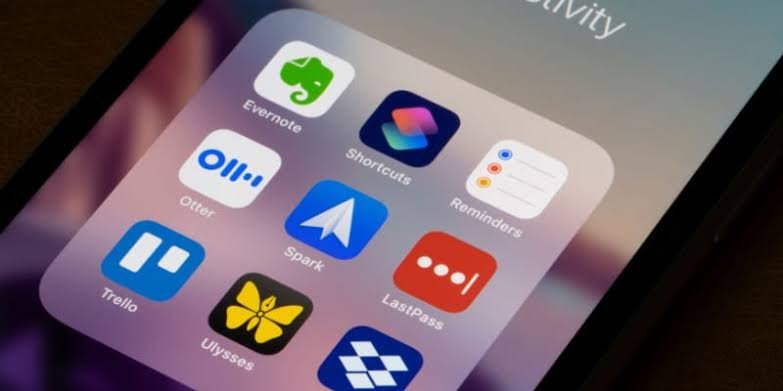
The development of cloud computing, wireless communication, and AI has accelerated the growth of smart technology. Consumers can now control multiple devices from a single smartphone app or through voice commands.
Smart Devices in Communication
Communication is one of the areas most affected by smart technology.
Smartphones as Communication Hubs
Modern smartphones allow users to communicate instantly through calls, text messages, video conferencing, social media, and email. They serve as powerful tools for both personal and professional communication.
Video Calling and Remote Connectivity
Smart devices have made remote communication easier than ever. Families, friends, and colleagues can stay connected regardless of geographical distance through video conferencing applications.
Real-Time Information Sharing
Smart devices provide instant access to news, updates, and important notifications, helping users stay informed throughout the day.
Smart Homes and Connected Living
One of the most noticeable impacts of smart devices is the development of smart homes.
Smart Lighting Systems
Smart lighting allows homeowners to control brightness, schedules, and colors using mobile apps or voice assistants.
Smart Thermostats
Connected thermostats automatically adjust temperature settings based on user preferences, improving comfort and energy efficiency.
Smart Security Solutions
Security cameras, video doorbells, motion sensors, and smart locks help homeowners monitor and protect their property remotely.
Automated Home Management
Smart devices can automate routine tasks such as turning off lights, adjusting heating systems, or activating security features when residents leave home.
The Role of Smart Devices in Healthcare
Healthcare has experienced major improvements through the use of smart technology.
Wearable Health Trackers
Fitness bands and smartwatches monitor various health metrics, including:
- Heart rate
- Sleep quality
- Physical activity
- Blood oxygen levels
- Stress indicators
These insights help users make informed health decisions.
Remote Patient Monitoring
Healthcare professionals can monitor patients remotely using connected medical devices, improving access to care and reducing hospital visits.
Medication Management
Smart reminders and connected healthcare apps help patients follow treatment plans and medication schedules more effectively.
Smart Devices in Education
Education has become more flexible and accessible due to smart technology.
Interactive Learning Experiences
Tablets, smartboards, and educational apps provide engaging learning experiences that support various learning styles.
Access to Online Resources
Students can access digital libraries, online courses, and educational videos from virtually anywhere.
Personalized Learning Opportunities
Smart learning platforms can adapt educational content based on student progress and individual needs.
Transforming Workplace Productivity
Smart devices are changing how businesses operate and how employees perform their jobs.
Mobile Work Environments
Employees can access emails, documents, and collaboration tools from smartphones and tablets, enabling remote work and flexible schedules.
Improved Collaboration
Cloud-based applications allow teams to communicate and collaborate in real time regardless of location.
Task Automation
Many smart systems automate repetitive tasks, reducing workload and increasing operational efficiency.
Smart Devices and Entertainment
Entertainment has evolved significantly with the introduction of smart technology.
Smart Televisions
Smart TVs provide access to streaming services, internet browsing, gaming platforms, and personalized content recommendations.
Smart Speakers
Voice-controlled speakers can play music, provide news updates, answer questions, and control other connected devices.
Gaming Innovations
Smart devices enhance gaming experiences through cloud gaming, virtual reality, and interactive applications.
The Impact of Smart Devices on Transportation
Transportation systems are becoming smarter and more efficient.
Navigation and Traffic Management
GPS-enabled devices provide real-time traffic updates, route optimization, and navigation assistance.
Connected Vehicles
Modern vehicles include smart features such as:
| Smart Feature | Purpose |
|---|---|
| GPS Navigation | Route guidance |
| Driver Assistance Systems | Improved safety |
| Remote Vehicle Monitoring | Vehicle management |
| Smart Diagnostics | Maintenance alerts |
| Voice Controls | Hands-free operation |
These technologies improve both convenience and road safety.
Ride-Sharing Applications
Smartphones have enabled ride-sharing services that make transportation more accessible and efficient.
Environmental Benefits of Smart Technology
Smart devices contribute to environmental sustainability by improving resource management.
Energy Efficiency
Smart thermostats, lighting systems, and appliances reduce unnecessary energy consumption.
Water Conservation
Connected irrigation systems help optimize water usage in residential and agricultural settings.
Waste Reduction
Smart monitoring systems can identify inefficiencies and encourage responsible resource usage.
Challenges Associated with Smart Devices
Despite their advantages, smart devices also present certain challenges.
Privacy Concerns
Connected devices collect large amounts of user data, raising concerns about privacy and data protection.
Cybersecurity Risks
Smart devices can become targets for cyberattacks if not properly secured.
Dependence on Technology
Overreliance on smart devices may reduce certain manual skills and increase technology dependency.
Compatibility Issues
Different manufacturers may use varying standards, creating integration challenges between devices.
The Future of Smart Devices
The future of smart technology is expected to bring even greater innovation. Artificial intelligence, machine learning, and advanced connectivity networks will continue enhancing device capabilities.
Future developments may include:
- More advanced voice assistants
- Fully automated smart homes
- Enhanced wearable healthcare devices
- Smarter transportation systems
- Improved energy management solutions
- Greater integration between devices
As these technologies mature, smart devices will become even more deeply embedded in everyday life.
Conclusion
Smart devices are transforming everyday life by making communication, healthcare, education, entertainment, transportation, and home management more efficient and convenient. These technologies help people save time, increase productivity, and access information more easily than ever before.
While challenges such as privacy concerns and cybersecurity risks remain important considerations, the benefits of smart technology continue to drive widespread adoption. As innovation advances, smart devices will play an even greater role in shaping how people live, work, and interact with the world around them.
FAQs
What are smart devices?
Smart devices are internet-connected electronic devices that can collect, process, and exchange data to perform automated or intelligent functions.
How do smart devices improve daily life?
Smart devices improve daily life by increasing convenience, automating tasks, enhancing communication, improving healthcare monitoring, and providing easy access to information.
What is a smart home?
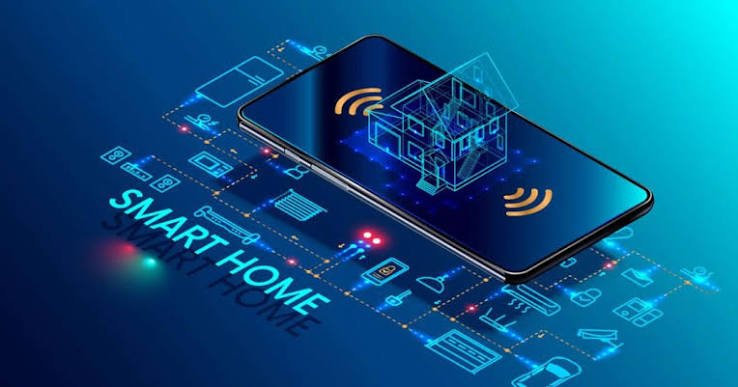
A smart home uses connected devices such as smart lights, thermostats, security systems, and appliances that can be controlled remotely or automated.
Are smart devices safe to use?
Smart devices are generally safe when users follow security best practices such as using strong passwords, updating software regularly, and enabling security features.
How do wearable devices support health?
Wearable devices monitor health metrics such as heart rate, sleep patterns, activity levels, and other wellness indicators to help users track their health.
What is the future of smart technology?
The future of smart technology includes more advanced artificial intelligence, better automation, enhanced connectivity, smarter healthcare solutions, and greater integration between connected devices.