Home improvement doesn’t always require professional contractors or expensive renovations. Many simple projects can be completed by beginners with basic tools, a little patience, and a willingness to learn. DIY home improvement projects are a great way to enhance your living space, save money, and develop useful skills.
Whether you’re a new homeowner or someone looking to refresh your home on a budget, this guide will introduce beginner-friendly DIY projects that can make a noticeable difference.
Why Choose DIY Home Improvement Projects?
DIY projects allow homeowners to personalize their spaces while reducing labor costs. They also provide a sense of accomplishment and can improve the overall appearance and functionality of a home.
Benefits of DIY Home Improvements
- Save money on labor expenses
- Learn valuable home maintenance skills
- Increase property value
- Customize your living space
- Complete projects at your own pace
Essential Tools Every Beginner Should Have
Before starting any DIY project, it’s important to gather a few basic tools.
Must-Have DIY Tools
- Hammer
- Screwdriver set
- Tape measure
- Utility knife
- Cordless drill
- Level
- Adjustable wrench
- Paint brushes and rollers
- Safety glasses
- Work gloves
Having these tools available will make many home improvement tasks easier and safer.
1. Paint a Room
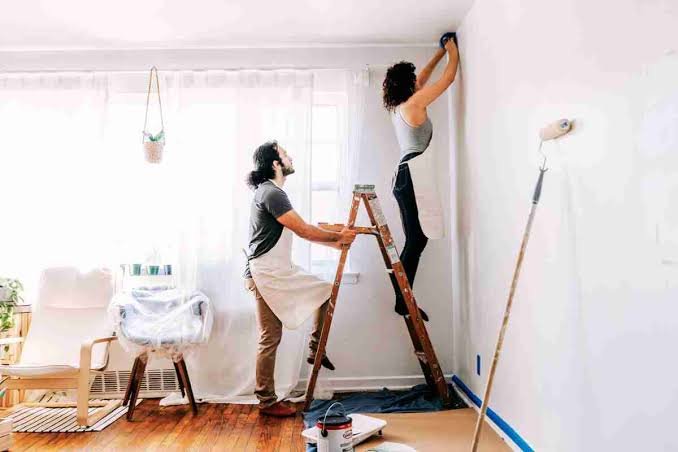
Painting is one of the simplest and most effective DIY home improvement projects.
Steps to Paint a Room
- Remove furniture or cover it with protective sheets.
- Clean the walls.
- Apply painter’s tape around trim and edges.
- Use a primer if necessary.
- Apply paint evenly using rollers and brushes.
Benefits of Painting
A fresh coat of paint can completely transform a room and make it look cleaner, brighter, and more modern.
2. Install New Cabinet Hardware
Replacing old cabinet handles and knobs is an easy upgrade that requires minimal tools.
How to Upgrade Cabinet Hardware
- Remove existing handles or knobs.
- Measure hole spacing carefully.
- Install new hardware using a screwdriver.
- Ensure all pieces are aligned properly.
Why It Makes a Difference
Modern cabinet hardware can instantly refresh kitchens, bathrooms, and storage areas.
3. Update Light Fixtures
Replacing outdated light fixtures can improve both style and functionality.
Beginner-Friendly Lighting Projects
- Install pendant lights
- Replace ceiling fixtures
- Add wall sconces
- Upgrade bathroom lighting
Safety Tips
Always turn off power at the breaker before working with electrical fixtures.
4. Create a Peel-and-Stick Backsplash
Peel-and-stick backsplashes offer an affordable way to update kitchens and bathrooms.
Installation Process
- Clean the wall surface thoroughly.
- Measure and cut tiles accurately.
- Peel off the backing.
- Press tiles firmly into place.
Advantages
These backsplashes are budget-friendly, easy to install, and available in many designs.
5. Improve Storage With Floating Shelves
Floating shelves provide additional storage while enhancing room décor.
Best Places for Floating Shelves
- Living rooms
- Kitchens
- Bathrooms
- Bedrooms
- Home offices
Installation Tips
Use a level and locate wall studs whenever possible for maximum support.
6. Upgrade Interior Door Hardware
Changing door handles and locks is a simple project that can modernize your home.
What You’ll Need
- Screwdriver
- Replacement hardware
- Measuring tape
Benefits
Updated door hardware improves appearance and can enhance security.
7. Refresh Bathroom Fixtures
Small bathroom updates can have a significant impact.
Easy Fixture Upgrades
- New faucets
- Towel bars
- Showerheads
- Toilet paper holders
- Cabinet pulls
Why It Works
These affordable improvements can make a bathroom look newer without requiring a complete renovation.
8. Install Weather Stripping
Weather stripping helps improve energy efficiency by sealing gaps around doors and windows.
Steps to Install Weather Stripping
- Clean the surface.
- Measure the area.
- Cut the weather stripping to size.
- Apply according to manufacturer instructions.
Benefits
- Reduced energy costs
- Improved indoor comfort
- Better protection from drafts
9. Build a Simple Garden Bed
Outdoor projects can be just as rewarding as indoor improvements.
Materials Needed
- Wooden boards
- Screws
- Drill
- Soil
- Plants or seeds
Advantages of Raised Garden Beds
They improve organization, enhance curb appeal, and provide space for growing flowers, herbs, or vegetables.
10. Add a Smart Home Device
Smart home technology is increasingly popular and beginner-friendly.
Easy Smart Devices to Install
- Smart thermostats
- Video doorbells
- Smart plugs
- Smart bulbs
- Smart locks
Benefits of Smart Technology
These devices improve convenience, security, and energy efficiency.
Safety Tips for DIY Beginners
Safety should always be a priority when working on home improvement projects.
Important Precautions
- Wear safety glasses and gloves
- Read instructions carefully
- Use tools correctly
- Turn off electricity when needed
- Avoid projects beyond your skill level
Taking precautions helps prevent accidents and ensures successful project outcomes.
Common DIY Mistakes to Avoid
Beginners often encounter challenges that can be avoided with proper planning.
Frequent Mistakes
- Skipping measurements
- Using the wrong tools
- Ignoring safety guidelines
- Rushing through projects
- Purchasing low-quality materials
Careful preparation can help you achieve professional-looking results.
How to Choose the Right DIY Project
Not every project is suitable for every homeowner.
Consider These Factors
- Budget
- Available time
- Skill level
- Required tools
- Desired results
Starting with simple projects builds confidence and prepares you for more advanced improvements later.
Conclusion
DIY home improvement projects are an excellent way for beginners to improve their homes while learning valuable skills. Simple upgrades such as painting rooms, installing shelves, replacing hardware, and adding smart technology can make a noticeable difference without requiring professional assistance. By starting with manageable projects and following proper safety practices, homeowners can successfully enhance their living spaces while saving money and gaining confidence in their abilities.
FAQs
What is the easiest DIY home improvement project for beginners?
Painting a room is often considered one of the easiest and most affordable DIY projects for beginners.
Do I need expensive tools for DIY home improvements?
No. Many beginner projects only require basic tools such as a screwdriver, hammer, drill, and tape measure.
Can DIY projects increase home value?
Yes. Well-executed improvements like painting, updating fixtures, and improving storage can increase a home’s appeal and value.
How do I know if a project is too advanced?
If a project involves major electrical, plumbing, or structural work, it may be best to consult a professional.
What are the benefits of DIY home improvement?
DIY projects can save money, improve your home, teach practical skills, and provide a rewarding sense of accomplishment.