Homeownership is both rewarding and challenging. While owning a home provides stability and long-term financial benefits, it also comes with the responsibility of maintaining and improving the property. Whether you’re living in a newly purchased home or an older property, having a clear home improvement roadmap can help you prioritize projects, manage costs, and increase your home’s value over time.
This comprehensive guide outlines a step-by-step home improvement roadmap for homeowners, helping you make informed decisions and create a comfortable, functional, and attractive living space.
Why Every Homeowner Needs a Home Improvement Plan
Many homeowners start renovation projects without a clear strategy, which can lead to overspending and unfinished work.
Benefits of a Home Improvement Roadmap
- Helps prioritize important projects
- Prevents costly mistakes
- Improves budgeting
- Increases property value
- Enhances comfort and functionality
- Supports long-term maintenance goals
A structured plan ensures that every improvement contributes to the overall quality of your home.
Step 1: Assess the Current Condition of Your Home
Before making upgrades, it’s important to understand your home’s strengths and weaknesses.
Areas to Evaluate
- Roofing
- Foundation
- Plumbing systems
- Electrical systems
- HVAC equipment
- Windows and doors
- Insulation
- Exterior surfaces
Create a Home Inspection Checklist
Document any repairs, maintenance issues, or areas that need improvement. This list will serve as the foundation for your roadmap.
Step 2: Prioritize Safety and Structural Repairs
Safety-related issues should always come before cosmetic improvements.
Essential Repairs to Address First
- Roof leaks
- Foundation cracks
- Electrical hazards
- Plumbing leaks
- Mold problems
- Damaged stairways or railings
Why Safety Comes First
Ignoring structural or safety concerns can lead to larger and more expensive problems in the future.
Step 3: Establish a Realistic Budget
A successful home improvement plan depends on proper financial planning.
Budgeting Tips
- Determine available funds
- Set priorities
- Research project costs
- Include emergency reserves
- Compare contractor estimates
Planning for Unexpected Expenses
Unexpected repairs often arise during renovations, so it’s wise to reserve additional funds for contingencies.
Step 4: Improve Energy Efficiency
Energy-efficient homes are more comfortable and cost-effective to operate.
Energy Upgrades to Consider
- Install energy-efficient windows
- Upgrade insulation
- Replace outdated HVAC systems
- Use LED lighting
- Install smart thermostats
Long-Term Benefits
Energy improvements can lower utility bills and increase your home’s appeal to future buyers.
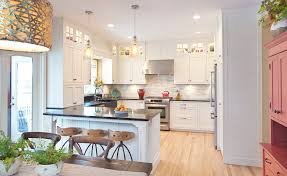
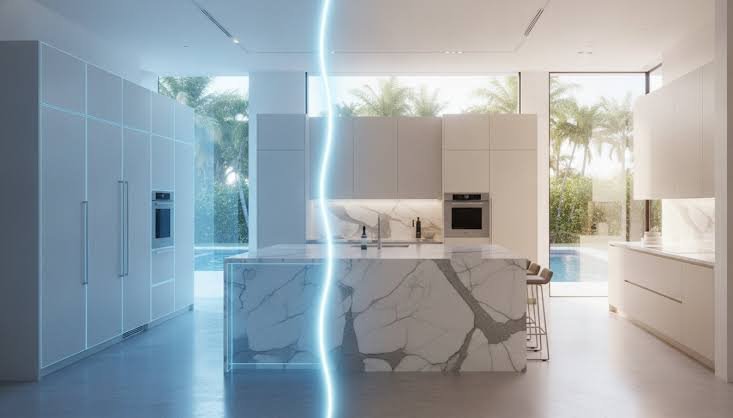
Step 5: Modernize the Kitchen
The kitchen is one of the most valuable areas to improve.
Kitchen Upgrade Ideas
- Replace countertops
- Install modern cabinetry
- Upgrade appliances
- Add a backsplash
- Improve lighting
Why Kitchen Improvements Matter
A functional and attractive kitchen enhances daily living and often delivers a strong return on investment.
Step 6: Upgrade Bathrooms
Bathrooms significantly impact both comfort and property value.
Bathroom Improvement Projects
- Replace outdated fixtures
- Install water-efficient toilets
- Upgrade vanities
- Improve lighting
- Refresh flooring and tile
Creating a Modern Bathroom
Even small updates can make a bathroom feel more luxurious and appealing.
Step 7: Refresh Interior Spaces
Updating interior areas helps create a welcoming and modern atmosphere.
Interior Improvements to Consider
- Fresh paint
- New flooring
- Updated trim and molding
- Modern lighting fixtures
- Improved storage solutions
Choosing Timeless Designs
Neutral colors and classic materials tend to remain attractive for many years.
Step 8: Enhance Curb Appeal
The exterior of your home creates the first impression.
Ways to Improve Curb Appeal
- Paint the front door
- Upgrade landscaping
- Add outdoor lighting
- Maintain walkways
- Replace damaged siding
Benefits of Exterior Improvements
A well-maintained exterior boosts pride of ownership and increases market appeal.
Step 9: Expand Outdoor Living Areas
Outdoor spaces have become increasingly important for relaxation and entertainment.
Popular Outdoor Projects
- Build a deck or patio
- Add seating areas
- Install a fire pit
- Create outdoor dining spaces
- Improve landscaping
Extending Usable Living Space
Outdoor improvements make your property more versatile and enjoyable throughout the year.
Step 10: Incorporate Smart Home Technology
Smart technology can improve convenience, security, and efficiency.
Smart Home Upgrades
- Smart thermostats
- Video doorbells
- Smart lighting
- Security cameras
- Smart locks
Benefits of Smart Features
Modern technology enhances everyday living while making homes more attractive to buyers.
Step 11: Create Additional Functional Space
Many homeowners need extra room for work, hobbies, or guests.
Ideas for Additional Living Space
- Finish a basement
- Convert an attic
- Build a home office
- Create a guest room
- Add a multipurpose space
Maximizing Existing Square Footage
Repurposing unused areas can improve functionality without requiring major additions.
Step 12: Focus on Long-Term Maintenance
Home improvement is not just about renovations; regular maintenance is equally important.
Seasonal Maintenance Tasks
- Clean gutters
- Inspect roofing
- Service HVAC systems
- Check plumbing fixtures
- Seal windows and doors
Preventing Expensive Repairs
Routine maintenance helps identify small issues before they become major problems.
Creating a Home Improvement Timeline
Breaking projects into phases makes large improvement plans more manageable.
Short-Term Projects (0–12 Months)
- Safety repairs
- Painting
- Lighting upgrades
- Minor landscaping
Mid-Term Projects (1–3 Years)
- Kitchen updates
- Bathroom renovations
- Flooring replacement
Long-Term Projects (3–5 Years)
- Room additions
- Major exterior upgrades
- Large-scale remodeling projects
A timeline helps homeowners stay organized and manage expenses effectively.
Common Home Improvement Mistakes to Avoid
Even well-intentioned projects can create challenges if not planned properly.
Mistakes to Watch For
- Ignoring maintenance needs
- Underestimating costs
- Choosing trends over quality
- Skipping permits when required
- Hiring unqualified contractors
Avoiding these mistakes can save both time and money.
Conclusion
A complete home improvement roadmap helps homeowners make smarter decisions about repairs, upgrades, and long-term investments. By focusing first on safety, maintenance, and energy efficiency, then moving toward aesthetic and lifestyle improvements, homeowners can create a comfortable and valuable living environment. Whether your goal is to increase property value, improve functionality, or simply enjoy your home more, following a structured improvement plan ensures lasting results and a better return on investment.
FAQs
What should homeowners improve first?
Safety-related issues such as roofing, electrical systems, plumbing, and structural repairs should always be addressed before cosmetic upgrades.
How can I create a home improvement budget?
Start by assessing your home’s needs, researching project costs, prioritizing improvements, and setting aside funds for unexpected expenses.
Which home improvement projects add the most value?
Kitchen renovations, bathroom upgrades, energy-efficient improvements, and curb appeal enhancements often provide strong returns on investment.
How often should home maintenance be performed?
Many maintenance tasks should be completed seasonally, while major systems should be inspected annually.
Is smart home technology worth adding?
Yes. Smart home features can improve convenience, energy efficiency, security, and overall property appeal.