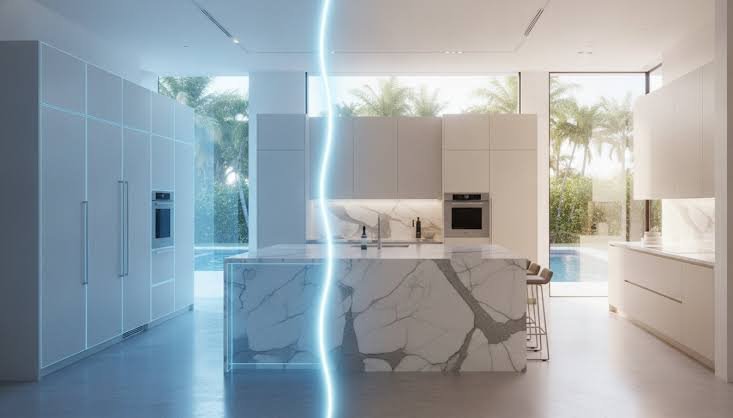
Technology has transformed nearly every aspect of modern life, and home improvement is no exception. Smart technology is reshaping how homeowners design, manage, and maintain their properties. From energy-efficient devices to automated security systems, smart home innovations are making homes more convenient, comfortable, and efficient than ever before.
As technology continues to evolve, homeowners are discovering new ways to improve their living spaces while reducing costs and increasing property value. This article explores how smart technology is changing home improvement and why it has become an essential part of modern homes.
Understanding Smart Home Technology
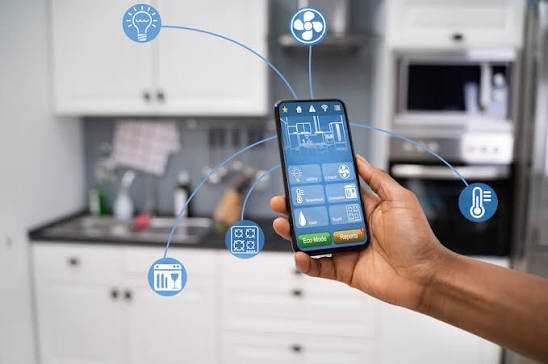
Smart home technology refers to devices and systems that connect to the internet and can be controlled remotely through smartphones, tablets, or voice assistants.
Common Smart Home Devices
- Smart thermostats
- Smart lighting systems
- Smart security cameras
- Video doorbells
- Smart locks
- Smart appliances
- Smart plugs
- Automated blinds
These devices work together to improve convenience, security, and energy efficiency.
The Growing Popularity of Smart Homes
Homeowners are increasingly investing in smart technology because it offers practical benefits and enhances everyday living.
Reasons for Increased Adoption
- Improved convenience
- Better energy management
- Enhanced home security
- Increased property value
- Greater control over household systems
As smart devices become more affordable, they are becoming common features in both new and existing homes.
Smart Lighting Is Transforming Interior Design
Lighting plays a major role in home improvement, and smart lighting systems provide greater flexibility than traditional fixtures.
Features of Smart Lighting
- Remote control through mobile apps
- Adjustable brightness levels
- Scheduling capabilities
- Voice control integration
- Energy-efficient LED technology
Benefits for Homeowners
Smart lighting allows homeowners to customize room ambiance while reducing electricity consumption.
Energy Efficiency Through Smart Thermostats
Heating and cooling systems account for a large portion of household energy use.
How Smart Thermostats Work
Smart thermostats learn household habits and automatically adjust temperatures for optimal comfort and efficiency.
Key Advantages
- Lower utility bills
- Improved comfort
- Remote temperature control
- Automated scheduling
- Reduced energy waste
These features help homeowners save money while maintaining a comfortable indoor environment.
Smart Security Systems Enhance Home Protection
Security has become a top priority for many homeowners.
Popular Smart Security Features
- Motion detection cameras
- Smart doorbells
- Remote monitoring
- Smart locks
- Mobile security alerts
Why Smart Security Matters
Homeowners can monitor their properties from virtually anywhere, providing peace of mind and increased protection.
Smart Appliances Improve Everyday Living
Modern appliances are becoming more intelligent and efficient.
Examples of Smart Appliances
- Refrigerators with inventory tracking
- Smart ovens with remote controls
- Washing machines with mobile notifications
- Robot vacuum cleaners
- Smart dishwashers
Benefits of Connected Appliances
These devices save time, improve convenience, and help homeowners manage household tasks more efficiently.
Home Automation Creates Greater Convenience
Home automation allows multiple devices to work together through a centralized system.
What Can Be Automated?
- Lighting
- Climate control
- Entertainment systems
- Security devices
- Window coverings
Advantages of Automation
Automation simplifies daily routines and creates a more comfortable living experience.
Smart Technology Supports Sustainable Living
Sustainability is becoming an important consideration in home improvement projects.
Eco-Friendly Smart Solutions
- Smart irrigation systems
- Energy-monitoring devices
- Solar energy management tools
- Water leak detectors
- Smart power strips
Environmental Benefits
These technologies reduce waste, conserve resources, and promote environmentally responsible living.
Smart Home Technology Increases Property Value
Modern buyers often view smart features as attractive additions to a home.
Features Buyers Appreciate
- Smart thermostats
- Video doorbells
- Security systems
- Energy-efficient devices
- Smart lighting
Why Smart Homes Stand Out
Properties equipped with modern technology often appear more attractive and future-ready to potential buyers.
Smart Technology and Home Maintenance
Maintaining a home becomes easier with connected devices.
Smart Maintenance Tools
- Water leak sensors
- HVAC monitoring systems
- Smart smoke detectors
- Electrical monitoring devices
- Maintenance reminder apps
Preventing Costly Repairs
Early detection of issues can help homeowners address problems before they become expensive repairs.
Challenges of Smart Home Integration
Although smart technology offers many benefits, homeowners should also consider potential challenges.
Common Concerns
- Initial installation costs
- Device compatibility issues
- Internet dependency
- Privacy and security concerns
- Learning new technologies
Careful planning can help homeowners choose systems that best fit their needs and budget.
Future Trends in Smart Home Improvement
The future of home improvement is closely connected to technological advancement.
Emerging Innovations
- Artificial intelligence integration
- Advanced home automation
- Smart energy storage systems
- Voice-controlled environments
- Predictive maintenance technology
These developments will continue to improve convenience, efficiency, and sustainability.
Tips for Incorporating Smart Technology Into Your Home
Getting started with smart technology does not require a complete home renovation.
Beginner-Friendly Upgrades
- Install smart bulbs
- Add a smart thermostat
- Use smart plugs
- Upgrade to a video doorbell
- Invest in smart speakers
Starting small allows homeowners to gradually build a connected home system.
Conclusion
Smart technology is revolutionizing home improvement by making homes more efficient, secure, convenient, and sustainable. From smart lighting and thermostats to advanced security systems and connected appliances, these innovations are transforming how homeowners interact with their living spaces. As technology continues to evolve, smart home solutions will play an even greater role in improving comfort, reducing costs, and increasing property value. Investing in smart technology today can help create a more modern and future-ready home.
FAQs
What is smart home technology?
Smart home technology includes internet-connected devices that can be monitored, controlled, and automated through smartphones, tablets, or voice assistants.
How does smart technology improve energy efficiency?
Devices such as smart thermostats, lighting systems, and energy monitors help reduce energy consumption and lower utility bills.
Is smart home technology expensive?
Costs vary depending on the devices selected. Many affordable options are available, allowing homeowners to start small and expand over time.
Can smart home features increase home value?
Yes. Many buyers appreciate smart features because they provide convenience, security, and energy-saving benefits.
What is the best smart home device for beginners?
Smart bulbs, smart plugs, and smart thermostats are often considered excellent entry-level devices due to their ease of installation and practical benefits.